










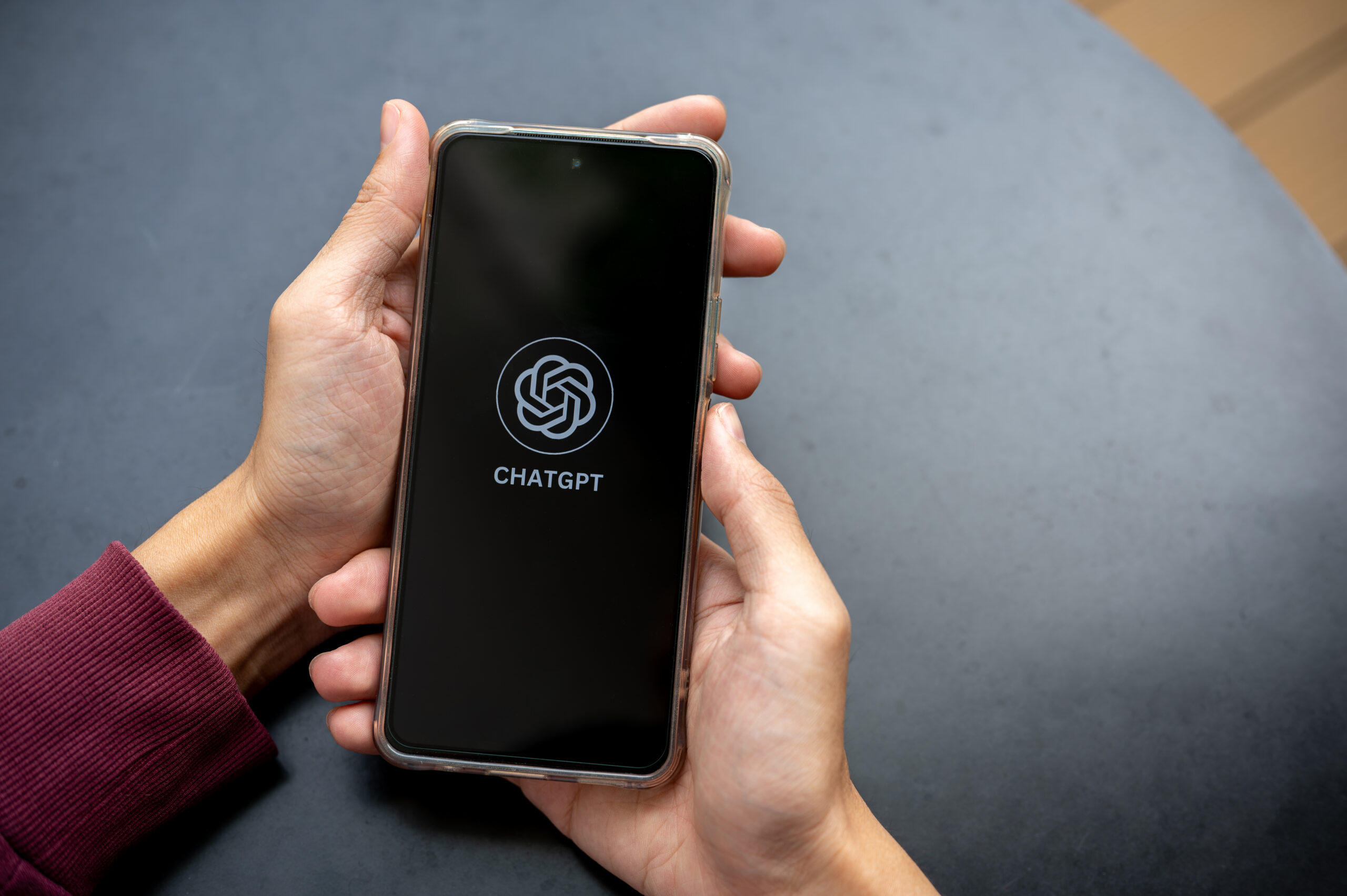
For years, businesses have relied on Google Ads, social media, and other digital platforms to reach potential customers online. Now, a new advertising channel is beginning to take shape: ChatGPT advertising.
OpenAI began testing ads in ChatGPT in the United States in February 2026. Since then, the company has expanded the program and introduced a beta Ads Manager that allows eligible businesses to create and manage campaigns directly.
So, what does that actually mean for your business?
You do not need to become an artificial intelligence expert. You do, however, need to understand how people are changing the way they search for information, compare businesses, and make purchasing decisions.
What Is ChatGPT Advertising?
ChatGPT advertising allows businesses to place sponsored messages below certain ChatGPT responses.
For example, someone may ask ChatGPT to help them:
- Compare products
- Research local services
- Choose software for their business
- Plan an upcoming trip
- Find a solution to a particular problem
When there is a relevant match, ChatGPT may display a clearly labeled sponsored ad beneath its answer.
These ads can include the advertiser’s name, headline, description, image, and a link to a landing page. They are separated from ChatGPT’s regular response so users can tell the difference between an organic answer and a paid placement.
That distinction is important. Paying for an ad does not allow a business to change ChatGPT’s answer or force the platform to recommend its products or services.
Who Currently Sees Ads in ChatGPT?
Ads may appear for people using ChatGPT’s Free and Go plans. They are not shown to users on Plus, Pro, Business, Enterprise, or Education plans.
OpenAI also says ads are not shown in accounts where the user reports, or the platform predicts, that they are under 18.
ChatGPT advertising is still being tested and expanded, so not every eligible user will necessarily see an ad during every conversation.
How Does ChatGPT Decide Which Ads to Show?
Traditional search advertising relies heavily on keywords. An advertiser selects a word or phrase, places a bid, and may appear when someone searches for it.
ChatGPT advertising works differently.
Instead of looking only at one search phrase, OpenAI’s advertising system can consider the broader context and intent of the current conversation when deciding whether an ad may be relevant.
Advertisers can provide what OpenAI calls “context hints.” These describe the conversations, topics, or keywords where their products and services may be useful. However, they are not exact-match keywords, and they do not guarantee that an ad will appear in a particular conversation.
For example, an advertiser may indicate that its service is relevant to conversations about planning a kitchen renovation. OpenAI’s system can use that information when deciding whether the ad fits a particular discussion.
The advertiser does not see the person’s conversation. The system uses the context to select a potentially relevant ad without sharing the conversation or personal details with the advertiser.
Can Businesses Buy ChatGPT Ads Now?
Yes. Eligible businesses can now purchase ChatGPT ads through OpenAI’s beta self-service Ads Manager or through selected advertising partners.
Ads Manager is currently available in:
- The United States
- Canada
- Australia
- New Zealand
- The United Kingdom
- Japan
- Korea
Availability may continue to expand as OpenAI develops the platform.
Through Ads Manager, businesses can:
- Create campaigns
- Select campaign goals
- Set budgets and bids
- Organize ads into groups
- Add context hints
- Upload headlines, descriptions, images, and landing pages
- Submit campaigns for review
- Monitor campaign performance
The platform is still in beta, which means its features, reporting tools, and best practices will likely continue to evolve.
How Much Does ChatGPT Advertising Cost?
ChatGPT advertising currently supports two common pricing models.
Cost Per Click
With cost-per-click advertising, also known as CPC, the advertiser pays when someone clicks the ad.
This may be useful for businesses that want to drive website visits, inquiries, registrations, or purchases.
Cost Per Thousand Impressions
With cost-per-thousand-impressions advertising, also known as CPM, the advertiser pays based on the number of times the ad is shown.
This may be more appropriate for businesses focused on brand awareness and reaching a larger audience.
Advertisers can choose an objective, set a maximum bid, establish a budget, and monitor results through Ads Manager. OpenAI also provides conversion measurement tools that can help businesses track actions taken after someone clicks an ad.
Because ChatGPT advertising is still new, businesses should test carefully rather than assume it will immediately perform the same way as an established Google Ads or Meta Ads campaign.
What Can Businesses Measure?
OpenAI’s current reporting tools include several familiar advertising metrics, such as:
- Impressions
- Clicks
- Advertising spend
- Click-through rate
- Average cost per click
- Average cost per thousand impressions
- Conversions
Advertisers can set up conversion tracking to measure actions completed after someone interacts with an ad, such as submitting a form, making a purchase, or completing another important website action.
These metrics will help businesses understand whether people are seeing their ads, engaging with them, and taking meaningful next steps.
However, businesses should look beyond clicks alone. The quality of the resulting traffic, leads, inquiries, and sales will be more important than simply generating a high number of impressions.
Are ChatGPT Ads Based on Private Conversations?
Advertisers do not receive access to individual ChatGPT conversations, chat histories, memories, or personal information.
OpenAI says conversations remain private from advertisers. Advertisers receive campaign-level reporting, such as the total number of impressions, clicks, and conversions, rather than access to the conversations where their ads appeared.
Ads also remain separate from ChatGPT’s answers, and advertisers cannot pay to influence what ChatGPT says.
Users have controls that allow them to dismiss ads, provide feedback, learn why an ad was shown, and manage certain advertising preferences.
This separation will be essential as OpenAI works to build trust in the advertising experience.
Why ChatGPT Advertising Matters
The real opportunity is not simply that ChatGPT offers another place to buy ads.
It is that people often use ChatGPT differently from a traditional search engine.
Someone may explain their situation, ask follow-up questions, compare multiple options, and request help making a final decision. This can give OpenAI’s advertising system more context for matching a relevant ad to what that person may need.
A homeowner may use ChatGPT to research solutions for a renovation project. A business owner may compare software platforms. A traveler may ask for help choosing accommodations. A patient may research general services before deciding which type of provider to contact.
In these situations, an ad may appear while the person is actively considering a decision rather than casually scrolling through unrelated content.
That could make ChatGPT advertising particularly valuable for businesses with products or services that require research, education, or comparison before someone is ready to buy.
Does SEO Still Matter?
Yes. ChatGPT advertising does not replace SEO.
Paid advertising and organic visibility are separate opportunities.
A paid ChatGPT ad gives a business a sponsored placement. Organic visibility happens when ChatGPT naturally finds, understands, cites, or discusses information about a business.
Strong website content can still help a company become more visible through traditional search engines and AI-powered search experiences.
Businesses should continue investing in:
- Clear and informative service pages
- Helpful blog content
- Frequently asked questions
- Accurate business information
- Strong local listings
- Customer reviews
- Trusted third-party mentions
These efforts can help search engines and AI platforms understand what a business does and when its information may be useful.
However, OpenAI has not stated that organic SEO authority, reviews, or search rankings directly improve paid ChatGPT ad placement or reduce advertising costs.
For paid campaigns, OpenAI currently considers factors such as the advertiser’s bid, targeting selections, ad copy, landing page, context hints, and the relevance of the ad to the conversation.
SEO remains important for organic visibility, while ChatGPT advertising provides a separate paid opportunity to reach potential customers.
What Should Businesses Do Now?
Businesses do not need to move their entire advertising budget into ChatGPT.
The platform is still new, and it will not immediately be the right advertising channel for every company. A thoughtful test is better than rushing into a new platform simply because it is receiving attention.
Before launching a campaign, make sure the fundamentals are in place.
Review Your Website
Your ad needs to send people somewhere useful. Make sure your landing page clearly explains what you offer, who it is for, and what the visitor should do next.
Understand Your Customer’s Questions
Think about the conversations someone may have before choosing your business.
What problems are they trying to solve? What concerns do they have? What information do they need before they are ready to contact you?
These questions can help shape your context hints, ad copy, and landing-page content.
Start With a Controlled Budget
Treat your first campaign as a learning opportunity. Begin with a manageable budget, review the results, and make adjustments based on what you discover.
Measure Meaningful Results
Do not judge a campaign only by how many people see or click the ad.
Pay attention to whether the campaign generates qualified website traffic, inquiries, appointments, registrations, purchases, or other actions that matter to your business.
Continue Building Organic Visibility
Paid ads can help a business reach more people, but useful content and a strong online presence remain valuable.
Continue improving your website, answering customer questions, collecting reviews, and publishing information that demonstrates your experience.
The Bottom Line
ChatGPT advertising is no longer just a prediction about the future.
Eligible businesses can now create sponsored campaigns designed to appear while people are researching, comparing options, and making decisions.
The platform is still in beta, and businesses should expect its features and best practices to change as OpenAI learns more about how people interact with ads inside ChatGPT.
Still, the direction is clear. AI is becoming part of how customers discover businesses, evaluate options, and decide what to do next.
Businesses that begin paying attention now will be better prepared to determine whether ChatGPT advertising belongs in their larger digital marketing strategy.
At Aspire Digital Solutions, we help businesses understand changing digital trends and turn them into practical marketing opportunities. From SEO and content development to paid advertising and AI visibility, our team can help you identify which strategies make sense for your goals, audience, and budget.
Contact Aspire Digital Solutions today to learn how your business can prepare for the next phase of online search and advertising.




0 Comments