








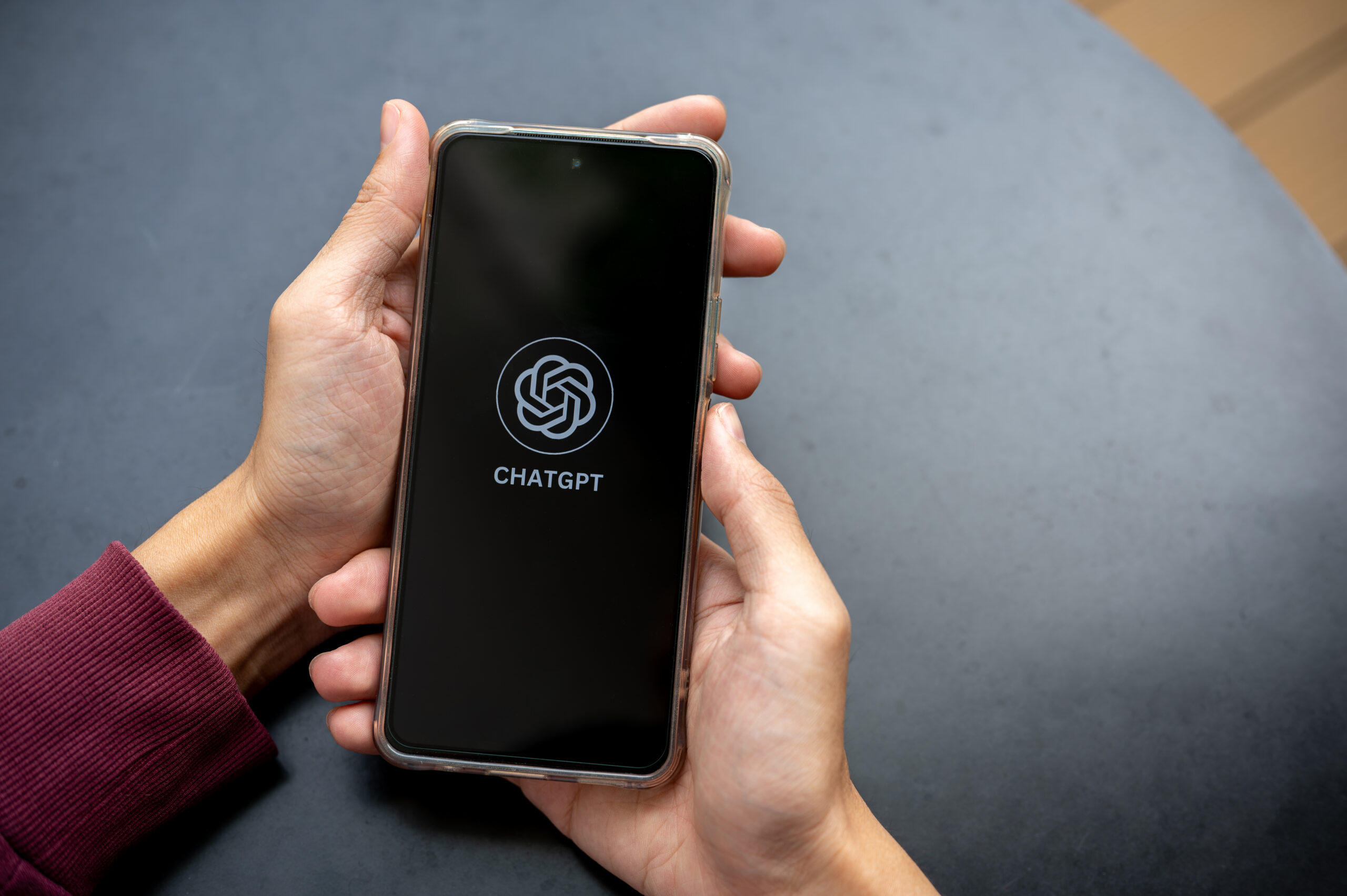
OpenAI spent most of ChatGPT’s first two years insisting the product wouldn’t need traditional advertising to survive. That position already started to shift by late 2025, when multiple sources reported OpenAI had moved from talking about ads to actually testing them: sponsored placements piloted with a limited set of advertisers, ahead of any public, self-serve ad platform. Whether that pilot has since expanded is worth checking against current reporting before treating anything here as settled, but the direction stopped being ambiguous a while ago.
The more useful framing, then, isn’t whether ChatGPT advertising exists. It’s what paid placement looks like as it rolls out, who’s further along, and what a business should be doing while the mechanics are still being worked out.
Where Things Stand Today: Testing a New Marketplace
ChatGPT still doesn’t have a self-serve ad platform the way Google Ads or Meta Ads do. There’s no dashboard where a business logs in, sets a budget, and bids on placement the way pay-per-click advertising has worked for two decades. But “no ads” got thrown out ChatGPT’s window at some point in 2025. Multiple reports that year described OpenAI testing sponsored placements with a limited set of advertisers, with built-in shopping and checkout functionality. That’s a pilot, not a true marketplace, and the exact shape of it has likely warped a bit since AI companies have consistently embraced a “move fast and break things” ethos. OpenAI’s own product updates are the place to check before assuming anything here is settled.
Most of what gets a business into an AI-generated answer right now still has nothing to do with that pilot. It comes from signals the model has picked up from its training data, live web search, and cited sources, not from a paid placement. That distinction, between earned visibility and a sponsored slot, is going to matter more, not less, as the paid side expands.
Once a platform is already facilitating transactions the way ChatGPT’s shopping features do, monetizing that placement, through referral fees, featured listings, or sponsored slots in a shopping carousel, is a short step, not a leap. The pilot reporting from 2025 lines up with exactly that kind of expansion.
The Financial Pressure Building Behind the Scenes
Running large language models at consumer scale is enormously expensive, and subscriptions alone haven’t historically been enough to fund that kind of infrastructure at the pace these companies are growing. Is anybody really surprised, though? This is the same dynamic that pushed Google, Facebook, and virtually every major consumer platform toward advertising in the first place: free or low-cost access for users, funded by advertisers who want attention at the moment of decision-making.
There are also personnel signals worth watching. In 2025, OpenAI brought in Fidji Simo, former CEO of Instacart, to run its Applications division, the consumer-facing side of the business that includes commerce. Instacart’s core business is built on retail media (sponsored product placement), so her hire is a reasonable indicator of where OpenAI’s commercial roadmap is headed, even without an official ad product announced yet.
None of this means paid ChatGPT advertising is imminent. It does mean the pressure to build a commercial layer beyond subscriptions is real, and businesses that wait for an official announcement before thinking about AI visibility will have a lot of ground to make up once it lands.
The Early Signals: What’s Already Rolling Out Elsewhere
ChatGPT hasn’t opened a public, self-serve ads product, but it isn’t the holdout it might look like from the outside. Several adjacent AI platforms have already gone further, live rather than in pilot, and they’re a useful preview of where a public ChatGPT ad product is likely to land.
Perplexity’s sponsored follow-up questions. In late 2024, Perplexity introduced its first advertising format: sponsored follow-up questions that appear beneath an AI-generated answer, clearly labeled and tied to a specific brand. It’s a far cry from keyword bidding, but it’s a real, shipped advertising product inside an AI answer engine. Perplexity documents its approach to advertisers on its own company blog.
Google’s ads inside AI Overviews. Google has confirmed it is testing and rolling out ads within AI Overviews, the AI-generated summaries that now appear above traditional search results for many queries. Given Google’s existing ad infrastructure, this is arguably the most mature version of “AI search advertising” running at scale today. Google publishes updates on this rollout through its official Search blog.
Microsoft Copilot and the Bing Ads backbone. Copilot draws heavily on Bing’s index and, by extension, Bing’s existing advertiser network. Microsoft Advertising has already signaled interest in extending paid placements into AI-generated conversational results, a pattern it discusses through its own Microsoft Advertising blog.
Meta AI and Grok: the ad infrastructure already exists. Meta AI runs inside Facebook, Instagram, and WhatsApp, platforms that already run some of the most sophisticated ad auctions in the industry. Grok is embedded in X, which already sells promoted posts. Neither company needs to build a monetization system from the ground up; they need to decide how much of an existing ad business to route through AI-generated conversations instead of a traditional feed.
Put together, these examples show paid AI advertising is no longer hypothetical. It’s already live in several adjacent products, and reportedly being piloted inside ChatGPT itself. For most businesses, the real question isn’t whether this is coming. It’s how quickly a given platform moves from pilot to public rollout.
Five Formats Paid AI Advertising Is Likely to Take
Based on what’s already shipping elsewhere, a few formats are more plausible than others for ChatGPT and comparable platforms:
- Sponsored citations or sources. A paid tier that increases the likelihood a business’s content is pulled into an answer as a cited source, similar to how sponsored content already blends into organic search results.
- Sponsored product carousels. Shopping-style queries returning a mix of organically referenced products and paid placements, much like Google Shopping ads sit alongside organic listings.
- Sponsored follow-up prompts. Perplexity’s current model: a labeled, brand-sponsored suggestion that appears after an answer instead of interrupting it.
- Preferred-provider placement inside agent actions. As ChatGPT and Copilot move toward completing tasks (booking a reservation, comparing insurance quotes, filing an expense report), there’s a plausible ad layer where a “preferred partner” is surfaced by default unless the user requests otherwise.
- Sponsorship at the API layer. Enterprise customers building products on top of GPT or Gemini models could eventually pay for their own retrieval systems to prioritize certain content or partners within their AI-powered tools.
None of these map cleanly onto keyword bidding. That’s the part advertisers used to Google Ads will need to unlearn.
Why Keyword Bidding Won’t Simply Carry Over
Search advertising works because intent is expressed in a query, and the platform can match that query to a bid in real time. AI chat interactions are different: a single conversation can span several turns, shift context midway through, and produce a synthesized answer rather than a ranked list of links. There isn’t a clean, single moment to auction off in the way there is with a search results page.
That has real implications for attribution and measurement. Click-through rate, one of the foundational metrics of digital advertising, doesn’t translate neatly to an environment where the “result” is a paragraph of generated text rather than a list of blue links. Expect AI platforms to introduce new reporting concepts, something closer to share-of-answer or share-of-recommendation than share-of-clicks, and expect the first few iterations of that reporting to be rough. Search Engine Land and similar industry publications have been tracking this measurement gap closely as AI search adoption accelerates.
How Fast This Is Likely to Move
Nobody outside these companies knows the exact timeline, and anyone who tells you otherwise is guessing with more confidence than the data supports. What’s more useful than a hard date is the pattern these platforms tend to follow. A free or low-cost product grows a large audience first. A lightweight, clearly labeled ad format gets tested on a small slice of that audience next. A fuller advertising marketplace, complete with self-serve tools, bidding, and reporting dashboards, arrives only once the platform is confident it won’t damage the trust that made the product popular in the first place.
Perplexity and Google have already moved through the first two stages into live, public ad products. OpenAI’s public statements have stayed more cautious, but the pilot testing reported throughout 2025 suggests ChatGPT is further along in that sequence than the company’s messaging lets on, even without a public, self-serve marketplace yet. Analysts who track digital ad spend, including research firms like eMarketer, have already started building out categories for AI-driven placements separate from traditional search and social. That’s a sign the industry expects this to become a real budget line, not a passing experiment, even if the exact mechanics are still being worked out.
For advertisers, that suggests a “watch and test small” posture rather than waiting entirely on the sidelines or overcommitting budget to a format that doesn’t exist yet in the platform you actually care about.
Disclosure, Trust, and the Regulatory Question
Paid placement inside a tool people already treat as a neutral research assistant raises a trust problem that paid search never fully solved either, but that AI platforms will face with less runway to figure it out.
The FTC’s endorsement guidelines already require clear disclosure when a recommendation is paid for, whether that’s an influencer post, a sponsored search result, or a native advertisement. There’s no reason to expect regulators will treat a sponsored AI answer any differently, and the platforms rolling out early ad formats have generally been careful to label them: Perplexity’s sponsored questions and Google’s ads within AI Overviews are both explicitly marked. Any business hoping to buy influence over an AI answer down the line should expect the same disclosure requirements that already apply everywhere else, not a loophole.
Where Generative Engine Optimization Fits Into a Paid Future
This is where earned visibility and paid visibility start to overlap rather than compete. Generative Engine Optimization (GEO) is the practice of building the content, structure, and citation signals that make a brand easier for an AI system to understand and reference. That groundwork doesn’t become irrelevant once paid placement exists. If anything, it becomes the qualifying criteria for it.
Google Ads still rewards a well-structured, relevant landing page with a better Quality Score and a lower cost per click. It’s reasonable to expect AI advertising platforms to build something similar: a brand with strong existing authority, clear entity signals, and consistent third-party citations is a safer, cheaper sponsor for an AI platform to feature than one with none of that groundwork in place. The businesses doing GEO work today aren’t wasting effort if paid ads never materialize; they’re building a head start if they do.
Tools for measuring current AI visibility already exist and are worth using regardless of what happens with paid placement. Ahrefs’ Brand Radar tracks how often a brand is cited and how it’s discussed across AI-generated responses, and platforms like Keyword.com have built comparable AI visibility reporting into their existing rank-tracking products. Establishing a baseline now, before there’s a paid product to compare it against, makes it much easier to tell later whether a paid placement is actually moving the needle.
What Businesses Should Do Now, Before Paid Placement Exists
Waiting for an official ChatGPT ads product to launch before taking AI visibility seriously means playing catch-up the moment competitors who prepared early are already ahead. A few actions matter now, regardless of when or whether paid AI advertising formally arrives:
- Build a measurement baseline. Use available AI visibility tracking tools to understand how, and how often, your brand currently appears in AI-generated answers.
- Strengthen third-party signals. Reviews, directory listings, media mentions, and expert contributions all feed the same authority signals that both organic AI visibility and any future paid product are likely to reward.
- Publish genuinely useful, specific content. Thin, generic pages give AI systems little to work with. Detailed service pages, FAQs, and documentation give models something concrete to cite.
- Keep business information accurate and consistent. Name, location, service details, and pricing should match across your website, directories, and social profiles. Inconsistency undermines the entity signals AI systems rely on.
- Watch OpenAI’s own updates as closely as the adjacent platforms. Perplexity, Google AI Overviews, and Microsoft Copilot are further along publicly, but reported pilot testing suggests ChatGPT itself isn’t far behind. Check OpenAI’s own announcements directly rather than assuming the current state hasn’t changed.
The Bottom Line
Paid advertising inside ChatGPT and comparable AI platforms is still early and uneven, but it’s already live in adjacent products and clearly on the roadmap for the rest. The businesses in the best position when it formally arrives will be the ones treating AI visibility as a real discipline today: measuring it, and building the authority signals it depends on. Whatever paid product eventually ships will very likely reward the same fundamentals that earn visibility for free right now.
If you want help building the content, authority, and citation signals that AI systems already rely on, and putting your brand in a strong position for whatever paid AI advertising formats come next, contact us today.



0 Comments